
Why Removing Hariko Fry Improves Breeding Success
4/30/20262 min read
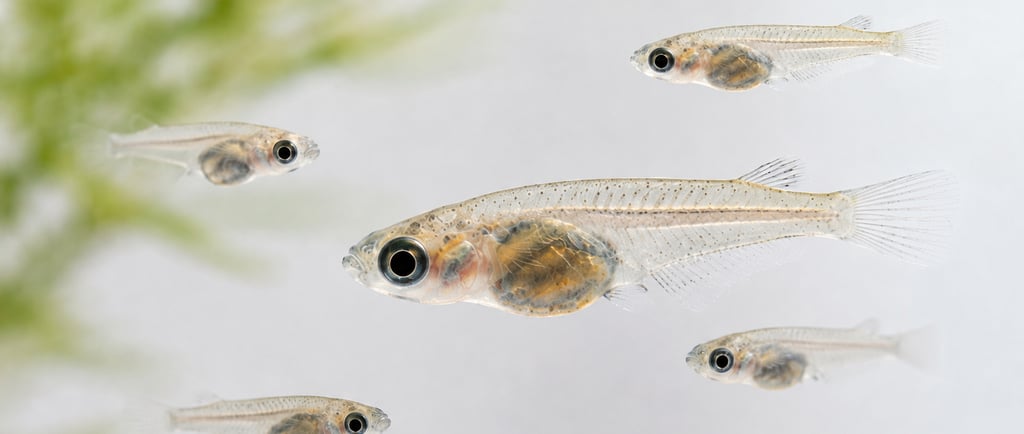
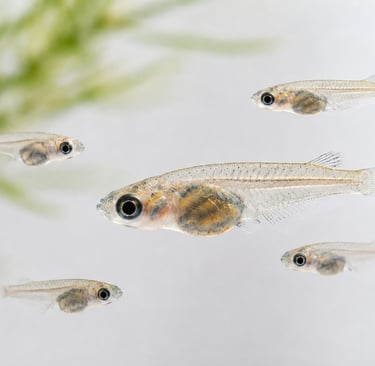
The Importance of Separating Larger Hariko Fry
When breeding fry, one of the biggest challenges hobbyists face is maintaining healthy, even growth within the tub. A common issue that develops over time is the appearance of larger, fast-growing fry often referred to as “Hariko.” While it may seem beneficial to keep the biggest fry together with the rest of the batch, removing these dominant fish is one of the best decisions you can make for the health and development of the entire spawn.
What Is a Hariko?
The term “Hariko” is commonly used by breeders to describe fry that significantly outgrow their siblings early in development. These fish are often stronger feeders, more aggressive, and quicker to dominate food sources. In many cases, they become noticeably larger within just a few weeks of hatching.
Although these fry may appear to be the “best” of the batch, leaving them in the breeding tub can create several problems for the remaining fry.
Why Larger Fry Should Be Removed
1. Prevents Food Competition
Larger fry naturally consume more food and feed more aggressively. In a crowded breeding tub, smaller fry struggle to compete and often miss out on essential nutrition.
By removing Hariko fry, food becomes more evenly distributed among the remaining fish, allowing weaker or slower-growing fry to catch up and develop properly.
2. Encourages Uniform Growth
One of the goals in fry raising is achieving consistent growth across the spawn. When oversized fry remain in the tub, they create an imbalance that can stunt the development of smaller siblings.
Separating the largest fry allows the rest of the group to grow at a more even pace, resulting in a healthier and more uniform batch overall.
3. Reduces Stress in the Tub
Large fry can intimidate smaller fish during feeding and swimming activity. Constant competition and pressure increase stress levels within the tub, which can weaken immune systems and slow development.
A calmer environment helps fry feed more confidently and improves overall survival rates.
4. Minimises the Risk of Cannibalism or Injury
In some species, significantly larger fry may nip at or even prey upon smaller siblings. Even when cannibalism is uncommon, physical injuries caused by aggressive feeding behaviour can occur.
Removing Hariko fry lowers this risk and creates a safer environment for delicate young fish.
5. Improves Water Quality
Because larger fry eat more heavily, they also produce more waste. In smaller breeding tubs, this can quickly affect water quality and increase ammonia levels.
Separating the biggest fry reduces biological load and helps maintain stable, cleaner water conditions for the rest of the spawn.
What Should You Do With the Hariko Fry?
Removing larger fry does not mean discarding them. In fact, these fish often continue to develop into strong juveniles when moved into their own growing tub.
Many breeders separate fry by size into multiple tubs:
Large fry (Hariko)
Medium fry
Small fry
This grading process allows each group to receive appropriate feeding and space, improving growth throughout the entire spawn.
When Should You Remove Them?
Most breeders begin noticing Hariko fry within the first few weeks after free swimming begins. Once a fry is clearly larger and dominating food intake, it is usually time to separate it.
Regular grading every 1–2 weeks helps maintain balance and prevents excessive size differences from developing.
Final Thoughts
Removing larger Hariko fry from a breeding tub is an essential part of successful fry management. While it may seem counterproductive at first, separating oversized fry benefits the entire spawn by reducing competition, improving growth consistency, maintaining water quality, and lowering stress levels.
Good fry raising is not just about producing the biggest fish — it is about giving every fry the best possible chance to thrive.