The Traditional Use of Tamo
The History and Craft of Tamo Nets in Japanese Medaka Keeping
The tamo net is more than a simple piece of equipment. In Japan, it represents a meeting point between fish keeping, tradition, and disciplined craftsmanship.
“Tamo” refers to a hand net, historically used in river fishing and koi handling. As medaka keeping grew in popularity—from the Edo period through to the modern hobby resurgence—smaller, more refined nets became essential. Medaka are delicate fish. Their scales can be easily disturbed and their fins damaged by coarse mesh or poorly shaped frames. Precision in design was not aesthetic indulgence; it was practical necessity.
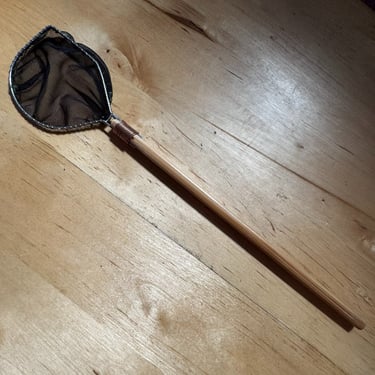
Traditional tamo nets are made from carefully selected materials. Historically they were often crafted from bamboo, valued for its flexibility, light weight, and strength when properly steamed and bent. Hardwood was also used, shaped and sanded smooth to prevent abrasion.
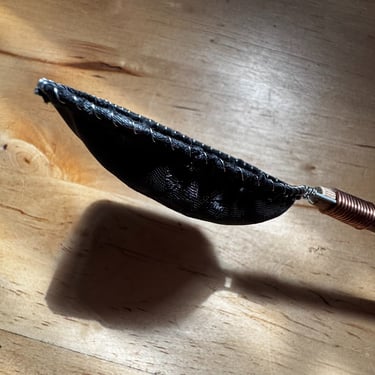
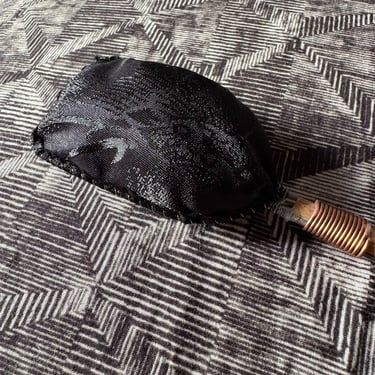
Today, most tamo frames are made of durable stainless steel. Some high-quality nets incorporate copper elements within the frame or binding. Copper has long been appreciated for its natural antibacterial properties, helping to limit microbial buildup on surfaces that repeatedly contact water and fish. Over time, copper develops a rich patina, giving each net its own character.
Handles are typically made from wood, such as white oak, bamboo, or cedar. Many artisans experiment with different woods and coatings in order to produce unique and individual tamo.
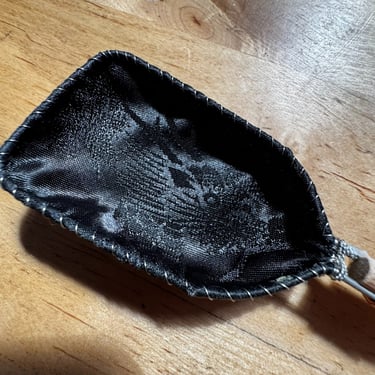
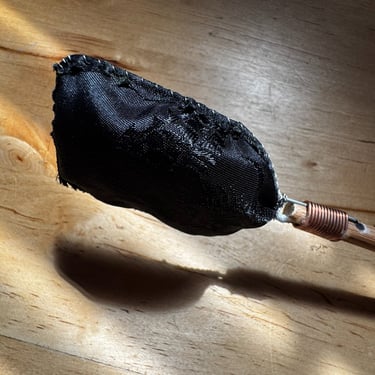
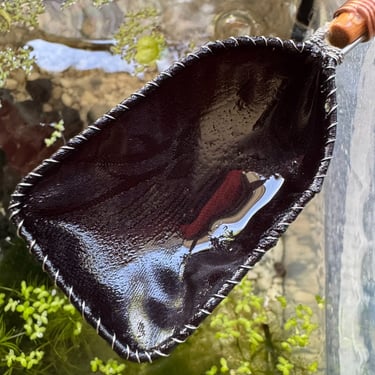
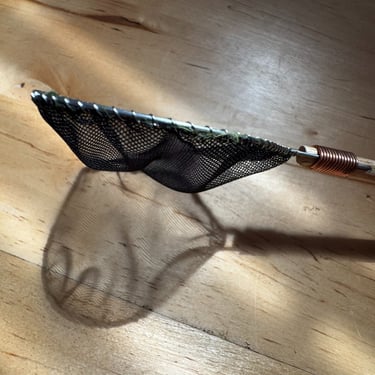
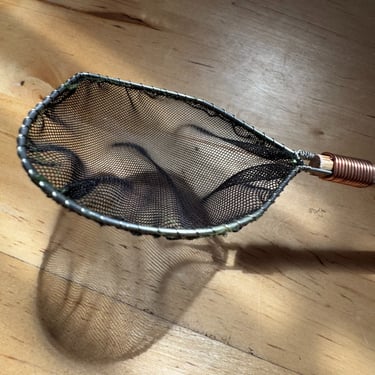
The mesh is equally important. Historically fine woven silk, and today often soft synthetic alternatives, it must be gentle enough to protect scales and fins while strong enough to hold its shape. The curvature and depth of the net are carefully proportioned so the fish is supported in water rather than pressed flat against a surface.
The mesh netting is handstitched directly to the frame for strength and longevity.
Becoming a true tamo artisan traditionally requires apprenticeship under a master. The craft is tactile and cannot be fully captured in written instruction. Bamboo must be steamed and bent without splitting. Bindings must be tight enough to secure the frame without warping it. The balance between handle length, frame weight, and water resistance determines how the net moves through water. These subtleties are learned through repetition, correction, and years of guided practice.
This master–apprentice structure reflects a broader philosophy found across Japanese crafts. Skill is earned slowly. Materials are respected. Precision comes before speed.
Today, a well-made tamo net remains both a practical tool and a symbol of dedication within the medaka community. It carries history in its materials, discipline in its construction, and quiet intention in its use. Even in a world of mass production, the tamo net stands as a reminder that careful craftsmanship still matters—especially when caring for something as delicate as a medaka.
Custom Tamo Nets – Made to Order
The tamo nets available in our shop represent only a small selection of the variations that can be created. Traditional tamo are highly customisable, and many options are available beyond what is listed online. Frame size, handle length, mesh type, binding detail, and even engraved or painted names can all be tailored to individual preference.
Because each custom tamo is made to order by skilled craftsmen, production takes time. These are not mass-produced items taken from warehouse stock. Once specifications are agreed, the net is carefully constructed to match your requirements. As a result, shipping times for custom orders will be longer than for standard in-stock items. Estimated lead times will be discussed in advance.
Pricing for custom tamo depends on size, materials, level of detail, and any personalised elements. The final price and payment terms will always be agreed before work begins. A deposit is required in advance to secure the order and begin production.
Please note that custom-made tamo, particularly those including personalised names or unique specifications, are non-refundable once production has started. These items are created specifically for the individual customer and cannot be resold.
If applicable, any customs duties or import fees charged upon delivery are the responsibility of the buyer. These charges vary by location and are outside our control.
A custom tamo is more than a tool; it is a personal piece of craftsmanship. Clear communication and agreement at every stage ensure the final result meets expectations and reflects the care that goes into its creation.