
Understanding Medaka Genetics
3 min read
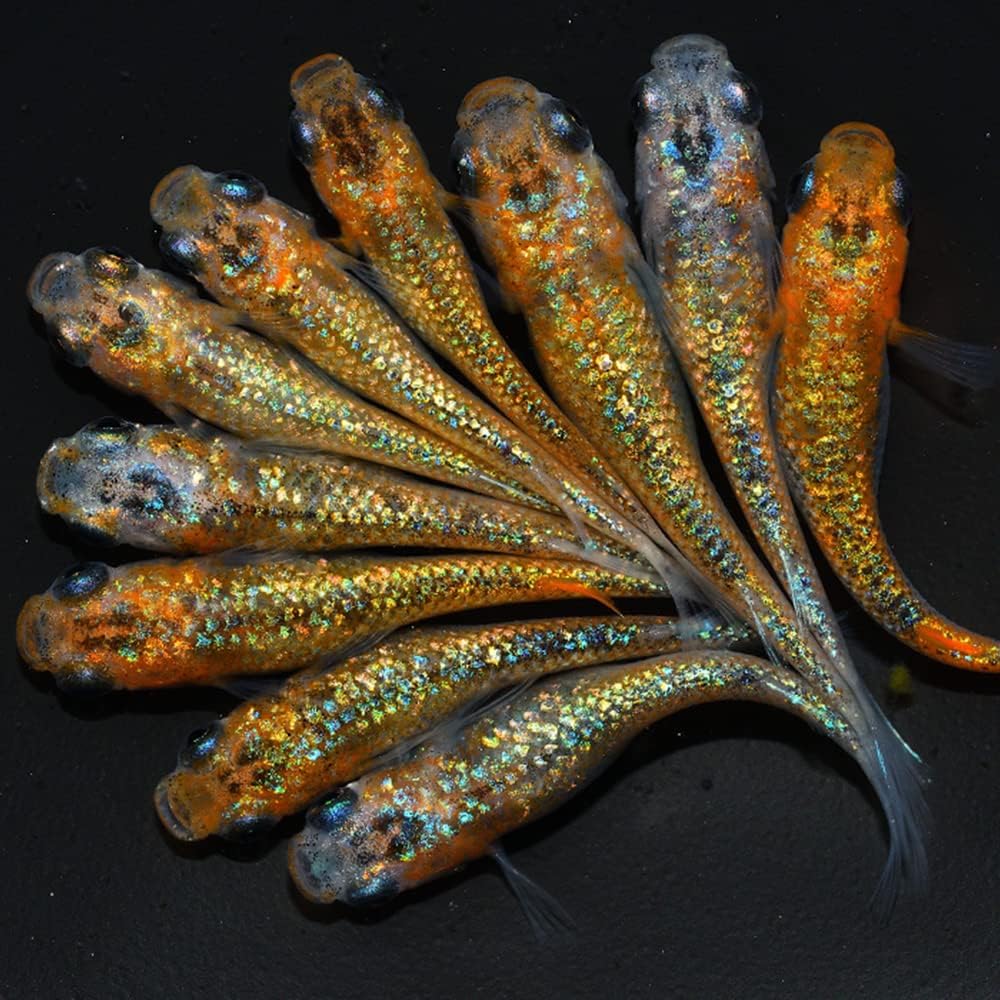
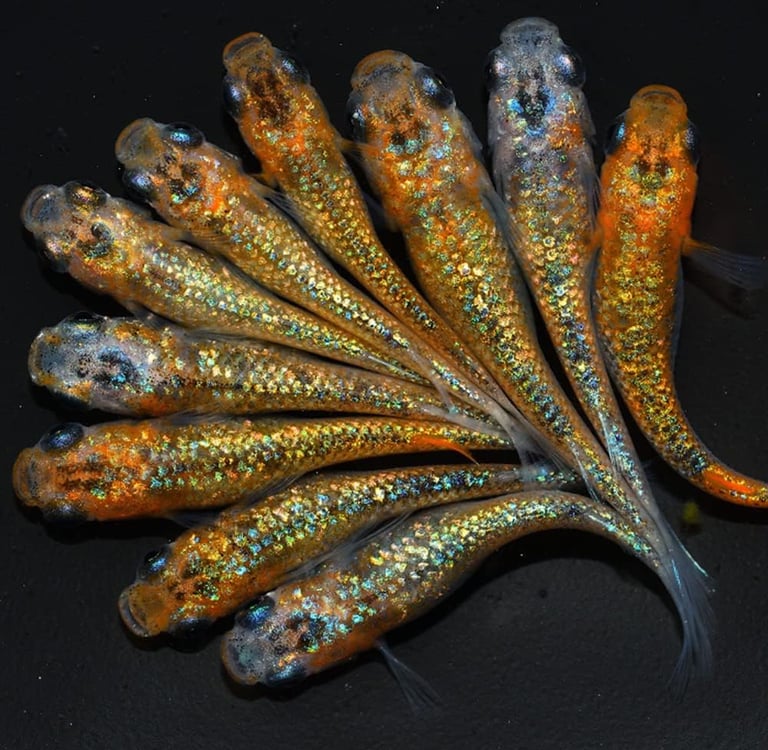
Understanding Colour Genetics in Medaka
Medaka (Japanese rice fish) are famous for their incredible diversity of colours, patterns, and metallic shine. From deep black varieties like Orochi to sparkling lamé strains and vibrant three-colour fish, modern medaka breeding has produced an astonishing range of ornamental lines.
Behind this diversity is a fascinating system of colour genetics, where different pigment cells, inherited traits, and selective breeding all work together to create the medaka varieties we see today.
In this article, we’ll explore how colour genetics works in medaka and how breeders use these traits to develop new and beautiful strains.
The Four Main Pigment Cells in Medaka
Medaka colour is controlled by several types of pigment cells known as chromatophores. These cells contain pigments or reflective structures that create the colours visible on the fish.
The four main chromatophores in medaka are:
Melanophores (Black Pigment)
Melanophores produce black or dark pigmentation. Varieties such as Orochi rely heavily on strong melanophore expression to achieve their deep, solid black appearance.
Xanthophores (Yellow Pigment)
These cells create yellow coloration and are responsible for the warm tones seen in varieties such as Kohaku or Yellow Tiger.
Erythrophores (Red Pigment)
Erythrophores produce red or orange pigmentation. When combined with xanthophores, they can create rich orange or persimmon tones seen in many ornamental strains.
Iridophores (Reflective Cells)
Iridophores do not produce pigment but instead reflect light. These cells create metallic shine and are responsible for the lamé (glitter) effect seen in many modern medaka varieties.
The combination and distribution of these cells determine the overall appearance of each fish.
Structural Colour and Lamé
One of the most striking features of many modern medaka strains is lamé, the sparkling metallic effect visible on the body and fins.
Lamé comes from layers of reflective iridophore cells that scatter light. When these cells are densely packed, they produce a strong glitter effect that can appear blue, silver, or rainbow depending on the viewing angle.
Breeders often select for:
Lamé density
Lamé size
Distribution across the body
Lamé extending into the fins
Varieties such as Yozakura, Gekka, and many modern tricolour strains are prized for their strong lamé expression.
Transparent and Aurora Scales
Another unique genetic trait in medaka is aurora scale, also known as translucent scale.
Aurora-type medaka have partially transparent scales that allow underlying pigment layers to show through. This creates soft colour blending and a glowing appearance that is very different from the solid colour blocks seen in opaque-scaled varieties.
Aurora genetics are often used to produce:
Pink head coloration
Soft colour transitions
Luminescent or glowing effects
Many modern varieties combine aurora genetics with lamé to create highly decorative strains.
Pattern Genetics
In addition to body colour, medaka genetics also control patterns.
Common pattern types include:
Solid colour – A uniform body colour across the entire fish.
Buchi (spots) – Black or coloured spots scattered across the body.
Tri-colour patterns – Combinations of red, white, and black, similar to koi patterns.
Tiger patterns – Stripes or irregular bands of colour.
Patterns often have lower genetic stability than base colour, which is why some varieties have a low fixation rate. Breeders may raise large numbers of fish to select the best individuals with ideal patterns.
Fixation and Line Breeding
Many ornamental medaka strains require generations of selective breeding before their traits become stable.
This process is called fixation.
When breeders say a strain has a low fixation rate, it means only a small percentage of offspring will display the desired combination of colour, pattern, and shine.
For example:
Tri-colour strains often have low fixation rates
Lamé intensity may vary greatly between offspring
Pattern placement is often unpredictable
Breeders improve fixation by carefully selecting the best fish each generation and breeding only those individuals.
Creating New Medaka Varieties
Most modern medaka varieties are created through crossbreeding different lines and then stabilising the results over several generations.
Breeders may combine traits such as:
Strong lamé expression
Aurora scales
Specific colour pigments
Unique patterns
The first generation often produces wide variation, but through careful selection, a new strain can gradually emerge.
This process has led to the incredible diversity of modern medaka varieties seen today.
Why Every Medaka Is Unique
Even within a stable line, no two medaka are exactly the same.
Small differences in pigment distribution, lamé density, and pattern placement mean that each fish has its own unique appearance. This individuality is one of the reasons medaka are so appealing to collectors and breeders.