
The Perils of Damselflies and Dragonflies for Medaka in Outdoor Tubs
5/8/20263 min read
The Perils of Damselflies and Dragonflies for Medaka in Outdoor Tubs
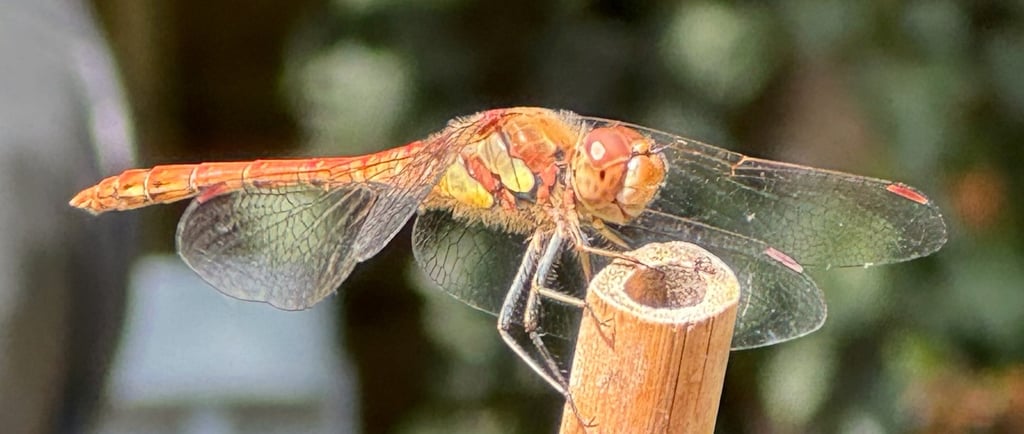
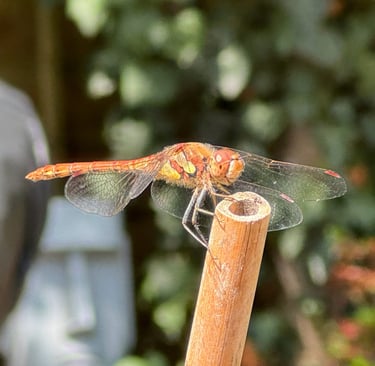
Keeping medaka in outdoor tubs is one of the great pleasures of the hobby. Natural sunlight enhances colour, live foods appear on their own, and fish often display stronger health and breeding behaviour than they do indoors. But while outdoor setups bring many benefits, they also introduce predators—and two of the most overlooked are damselflies and dragonflies.
Most pond keepers recognise the beauty of these insects as they dart through the garden on warm days. However, for medaka keepers, they can pose a serious threat, especially during breeding season and when fry are present.
Why They Target Outdoor Fish Tubs
Dragonflies and damselflies are naturally attracted to still or slow-moving water. A tub full of clean water, floating plants, and shallow edges looks like ideal breeding habitat. Adult insects may visit simply to rest or drink at first, but females often return to lay eggs.
Once eggs hatch, the real danger begins.
Their aquatic young—known as nymphs or larvae—are efficient underwater hunters. Equipped with extendable mouthparts and remarkable stealth, they prey on anything small enough to catch.
In a medaka tub, that can include:
Newly hatched fry
Juvenile fish
Shrimp
Weak or slow adult medaka
Other beneficial microfauna
Dragonfly Nymphs: The Bigger Threat
Dragonfly larvae are bulkier, stronger, and more aggressive than damselfly larvae. They sit among plant roots or debris waiting to ambush prey. In a stocked tub, they can quietly reduce fry numbers over time without being noticed.
Many keepers only realise there is a problem when fry seem to “vanish” despite successful spawning.
Larger nymphs may even attack small adult medaka, particularly if the fish are resting or trapped in confined areas.
Damselfly Nymphs: Smaller but Still Problematic
Damselfly larvae are slimmer and often less dramatic in appearance, but they are still predators. While they may be less likely to tackle larger fish, they are highly capable of taking fry and tiny juveniles.
Because they are smaller and more numerous, they can become a hidden drain on your young stock.
Signs You May Have Nymphs in the Tub
Watch for these warning signs:
Fry numbers dropping unexpectedly
Fish behaving nervously or avoiding certain corners
Strange husks or shed skins attached to plants
Slender or chunky insect-like creatures clinging to roots or walls
Sudden disappearances despite stable water quality
If you inspect plant baskets, floating roots, or mulm at the bottom of the tub, you may find them hiding there.
How to Protect Your Medaka
1. Check New Plants Carefully
Many nymphs or eggs arrive hidden on aquatic plants. Always inspect and rinse new additions before placing them into breeding tubs.
2. Use Surface Cover
Floating plants such as water lettuce, frogbit, or hornwort can help fry hide, though they are not a complete solution.
3. Inspect Tubs Regularly
Use a net to gently sweep through roots and debris every week or two, especially during warmer months when insect activity peaks.
4. Remove Nymphs Promptly
If found, remove them immediately. Relocating them to a wildlife pond (not a fish tub) is often the best option.
5. Use Fry-Raising Tubs
If breeding valuable lines, consider moving eggs or fry to separate protected tubs where predators are less likely to establish.
5. Use Fine Mesh Netting
This may not look aesthitically pleasing, but it is a small price to pay if you want to protect your medaka.
Prevention Is Easier Than Cure
Once dragonfly or damselfly larvae are established, they can be difficult to spot and surprisingly effective hunters. By the time losses become obvious, they may have already consumed a large number of fry.
Routine checks and a little vigilance go a long way.
A Balanced View
It is worth remembering that dragonflies and damselflies are beneficial insects in the wider garden. They consume mosquitoes and other pests, and their presence is a sign of a healthy ecosystem. The goal is not to eliminate them from your garden—but to stop them using your prized medaka tubs as nurseries.
Final Thoughts
Outdoor medaka keeping is incredibly rewarding, but nature always joins in. Dragonflies and damselflies may be beautiful visitors, yet their young can become efficient predators in the confined space of a tub.
If your fry seem to disappear or breeding results are poor, it may be time to look below the surface.
At Medaka Emporium, we believe successful outdoor keeping comes from understanding both your fish—and everything else that wants to share their water. Except for dragonflies and damselflies. They don't count...