Oyster Shells
2 min read
Using Oyster Shells in Medaka Aquariums (Japan)
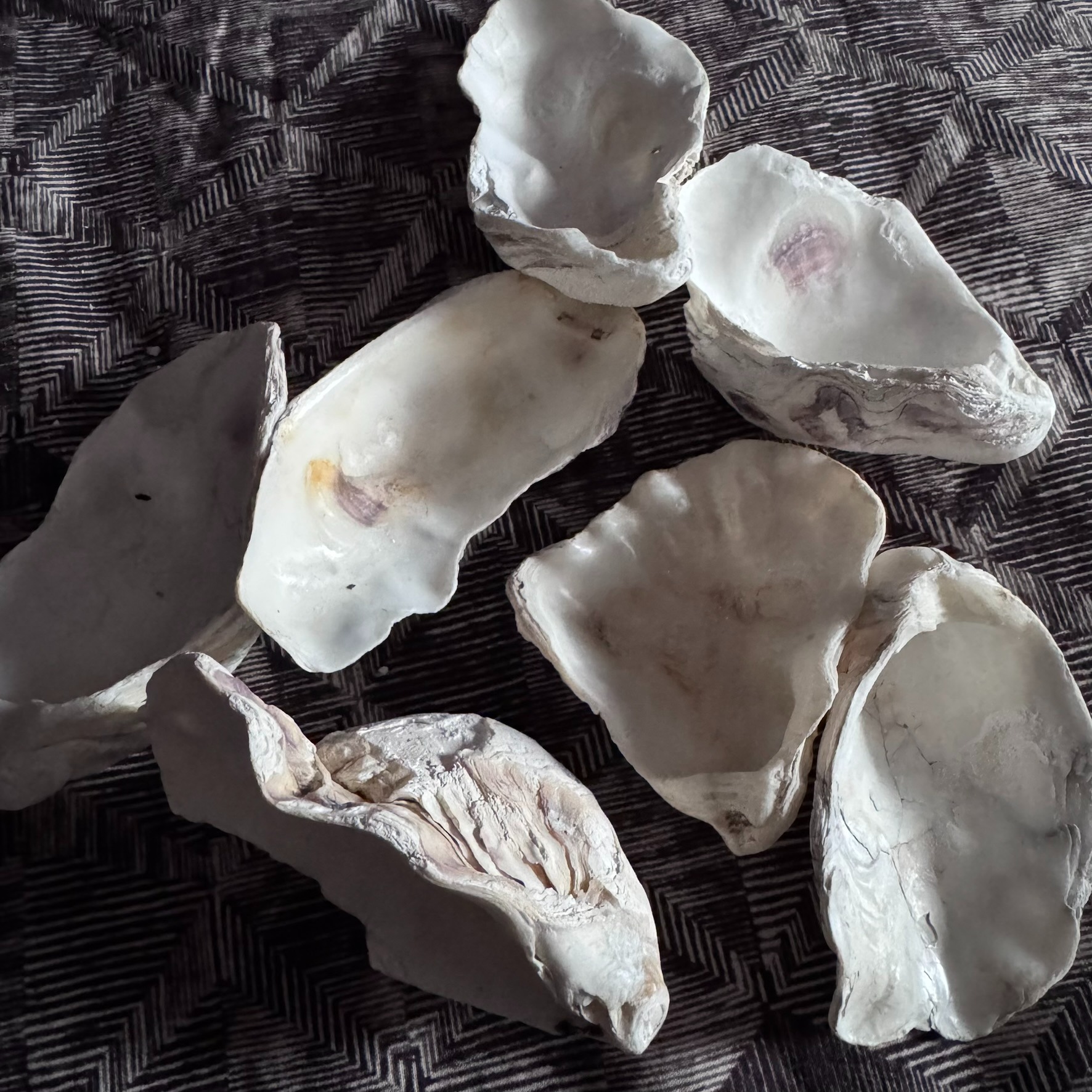
In Japan, oyster shells (牡蠣殻 kakigara) have been used for decades in ponds, rice paddies, and medaka containers. The reason is simple chemistry. Oyster shells are mostly calcium carbonate (CaCO₃). When placed in water, they slowly dissolve, nudging the water toward higher hardness (GH) and slightly higher pH.
Medaka evolved in Japanese streams, irrigation canals, and paddies that are often mineral-rich and mildly alkaline, especially compared to ultra-soft rainwater or RO water. Oyster shells act as a buffer, preventing sudden drops in pH and providing minerals needed for healthy physiology.
What oyster shells actually do (and don’t)
They:
Raise carbonate hardness (KH), which stabilizes pH
Slightly increase general hardness (GH)
Supply calcium that supports bone development and egg quality
Reduce wild pH swings in small containers and bowls
They do not:
Instantly fix bad water quality
Replace water changes
Cure disease
Work predictably in every setup (their effect depends on water volume and starting chemistry)
Think of them as slow-release limestone, not aquarium medicine.
When oyster shells are useful for medaka
They’re especially helpful in:
Outdoor bowls, tubs, and lotus planters
Soft water regions of Japan
Rainwater-fed systems
Breeding setups where eggs are failing to develop
Summer containers prone to pH crashes from heat and algae respiration
They’re less necessary if your tap water is already hard and stable.
Preparing oyster shells (important)
Rinse thoroughly to remove dirt and organic residue
Boil for 10–15 minutes to kill pathogens and loosen remaining tissue
Dry completely in the sun or air
Break into small pieces (1–3 cm chunks work well)
Powder dissolves too fast and is harder to control. Big shells dissolve too slowly. Medium fragments are the sweet spot.
How to use them in a medaka setup
The classic Japanese method is restraint.
Place shells in a mesh bag, tea strainer, or small net
Start with a few pieces per 10 liters
Put them in a low-flow area or near the bottom
Wait a week and observe before adding more
For outdoor bowls, some keepers simply place a fragment under a stone or in a corner. Nature-style minimalism works here.
Effects on breeding and eggs
Medaka eggs benefit from stable mineral content. Calcium helps:
Proper egg membrane formation
Reduced egg collapse
Improved hatch rates
Too much hardness, however, can cause:
Premature egg hardening
Lower fertilization success
Balance beats abundance. Medaka prefer consistency over extremes.
Maintenance and monitoring
Oyster shells dissolve slowly, but they do dissolve.
Check pH and hardness occasionally if possible
Replace shells every few months once they become thin and chalky
Remove shells if pH rises above ~8.0 consistently
Algae growth on shells is normal and harmless. It’s basically a snack bar.
Cultural note: why this method stuck in Japan
Before bottled buffers and test kits, oyster shells were:
Cheap
Abundant (especially near coastal regions)
Already used in agriculture
Stable and forgiving
That practicality shaped modern medaka keeping. It’s a low-tech solution that matches a low-tech fish
Oyster shells don’t force water chemistry—they guide it gently, the way rivers guide stones. Medaka thrive not because conditions are perfect, but because they’re steady.
Oyster shells, used lightly, help create that quiet stability.
In the strange overlap between aquariums, geology, and Japanese tradition, a discarded shell becomes infrastructure