
Medaka Biotope Overflow Solutions
4/23/20263 min read
The Japanese Rain Hack Every Outdoor Medaka Keeper Should Know
Outdoor medaka keeping is all about working with nature. Sunshine encourages algae growth, rainwater can soften water conditions, and seasonal changes help fish display their best colours and breeding behaviour.
However, there is one challenge every outdoor keeper faces sooner or later: heavy rain and overflowing containers.
Whether you keep your medaka in a ceramic bowl, water lily planter, wildlife pond, or purpose-built biotope, prolonged rainfall can cause water levels to rise dramatically. In severe cases, fish fry, floating plants, and even adult fish can be washed out.
Fortunately, Japanese hobbyists have developed a remarkably simple solution.
The "Towel Overflow" Method
Across Japan's medaka community, many keepers use what is often referred to as a towel overflow or wick overflow system.
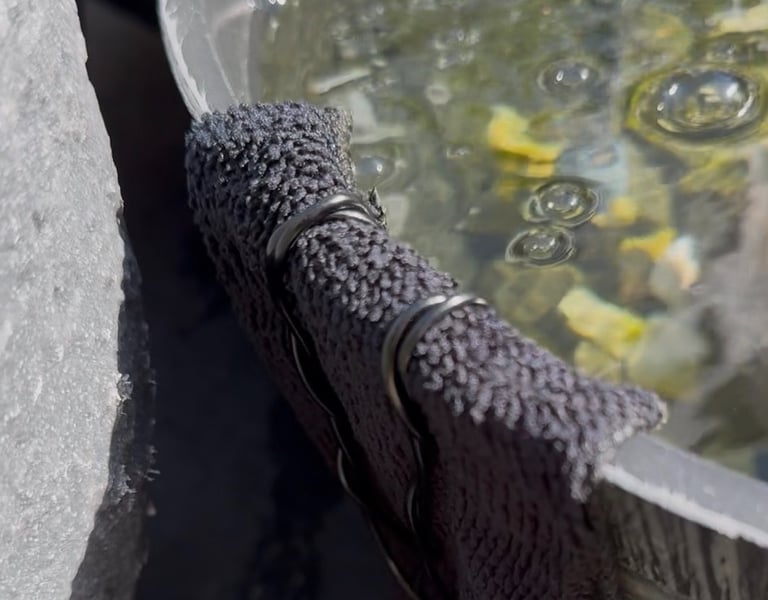
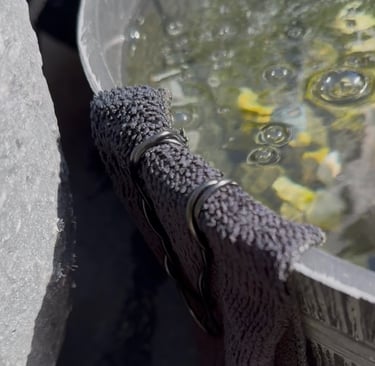
The idea is simple. A strip of absorbent material is draped over the side of the container. One end sits in the water just below the maximum level you wish to maintain, while the other hangs outside the container.
As rainfall raises the water level, the material begins drawing water out through capillary action. Excess water then drips harmlessly away from the biotope, helping to prevent the container from overflowing.
No pumps. No drilling. No complicated plumbing.
Just a surprisingly effective piece of absorbent material.
Why It Works So Well
Many decorative medaka containers were never designed with overflow protection in mind. Traditional ceramic bowls and water lily pots look beautiful but often have no drainage provision.
The wick overflow offers several advantages:
Inexpensive to install
Requires no permanent modifications
Works automatically during rainfall
Can be added to almost any container
Helps reduce the risk of fry being washed away
Choosing the Right Material
Japanese hobbyists use a variety of materials, including:
Filter Sponge
Often the preferred choice.
Filter sponge is durable, resistant to rot, and continues working even after prolonged outdoor exposure. It also blends naturally into most pond and biotope designs.
Microfibre Cloth
Excellent at wicking water but may need replacing periodically as it weathers.
Cotton Towels
A traditional choice and readily available, though they can deteriorate more quickly when exposed to sunlight and moisture.
Acrylic Yarn
Some breeders use strands of acrylic yarn in a similar fashion, particularly in breeding tubs and larger grow-out containers.
Setting Up Your Overflow Wick
Installation takes only a few minutes.
Position one end inside the container at the maximum water level you want to maintain.
Drape the material over the rim.
Allow the outside end to hang lower than the water level.
Secure it with a clip or peg if necessary.
Test by pouring a little water near the wick and observing the flow.
The lower the external end hangs, the more effectively gravity assists the drainage.
Additional Rain Protection Tips
While the wick method is highly effective, experienced outdoor keepers often combine it with other safeguards:
Leave Space Below the Rim
Avoid filling containers completely. Maintaining a few centimetres of free space provides valuable extra capacity during sudden downpours.
Use Floating Plants
Water lettuce, frogbit, and other floating plants help absorb some of the impact of heavy rainfall while providing cover for fry.
Create a Safe Overflow Zone
Ensure water draining from the wick does not simply run back into the container or flood nearby surfaces.
Inspect Before Rain is Predicted
A quick check of your overflow setup before periods of prolonged rain can prevent problems later. Or basically daily, if you're living in the UK with our unpredictable weather.
A Simple Idea Worth Borrowing
One of the reasons medaka keeping continues to grow in popularity worldwide is the wealth of practical knowledge shared by Japanese breeders and enthusiasts.
The towel overflow method is a perfect example. It costs almost nothing, takes minutes to install, and can help protect your fish during the kind of weather that catches many keepers off guard.
If your outdoor setup lacks a dedicated overflow system, this simple Japanese technique may be one of the easiest improvements you can make this season.