
Indian Almond Catappa Leaves
1/2/20261 min read
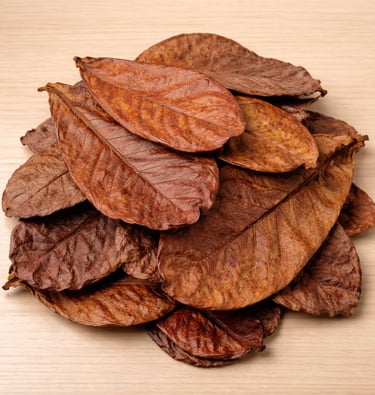
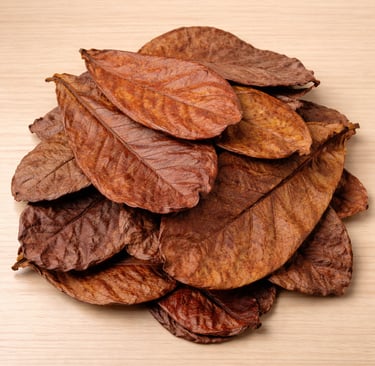
Indian Almond (Catappa) Leaves for Medaka Care
Indian almond leaves, commonly known as catappa leaves, are widely used in fish keeping for their natural antibacterial and antifungal properties. When added to water, they release tannins and other organic compounds that can help suppress harmful bacteria and fungi while creating a more natural, gentle environment for fish. For medaka, which are generally hardy but still vulnerable to stress and infection, catappa leaves can be a useful supportive tool.
One of the main benefits of catappa leaves is their mild antimicrobial effect. The compounds they release may help reduce the risk of common issues such as minor bacterial infections, fin damage, or fungal growth on eggs. Many breeders use catappa leaves in breeding and fry containers because they can offer a small layer of protection for eggs and newly hatched fry, which are particularly sensitive.
Catappa leaves also slightly tint the water with a tea-colored hue due to tannins. This can reduce light intensity and create a calmer setting, which may lower stress in fish. While medaka do not require tannin-stained water in the way some tropical species do, they generally tolerate it well, and it can be beneficial in certain situations such as quarantine or recovery.
To use catappa leaves, rinse the leaf and place it directly in the tank or container. A common starting point is one leaf per small tank or tub, adjusting based on water volume and desired effect. The leaf will slowly sink and begin releasing tannins over several days. Leaves can be left in place until they naturally break down, at which point they should be replaced. Removing old leaf material during routine maintenance helps keep water clean.
Catappa leaves are a supportive aid, not a cure-all. Good water quality, regular maintenance, and proper feeding remain the foundation of healthy medaka care. Used alongside these basics, Indian almond leaves can be a simple, natural addition to a well-managed setup.